Activation, Not Installation
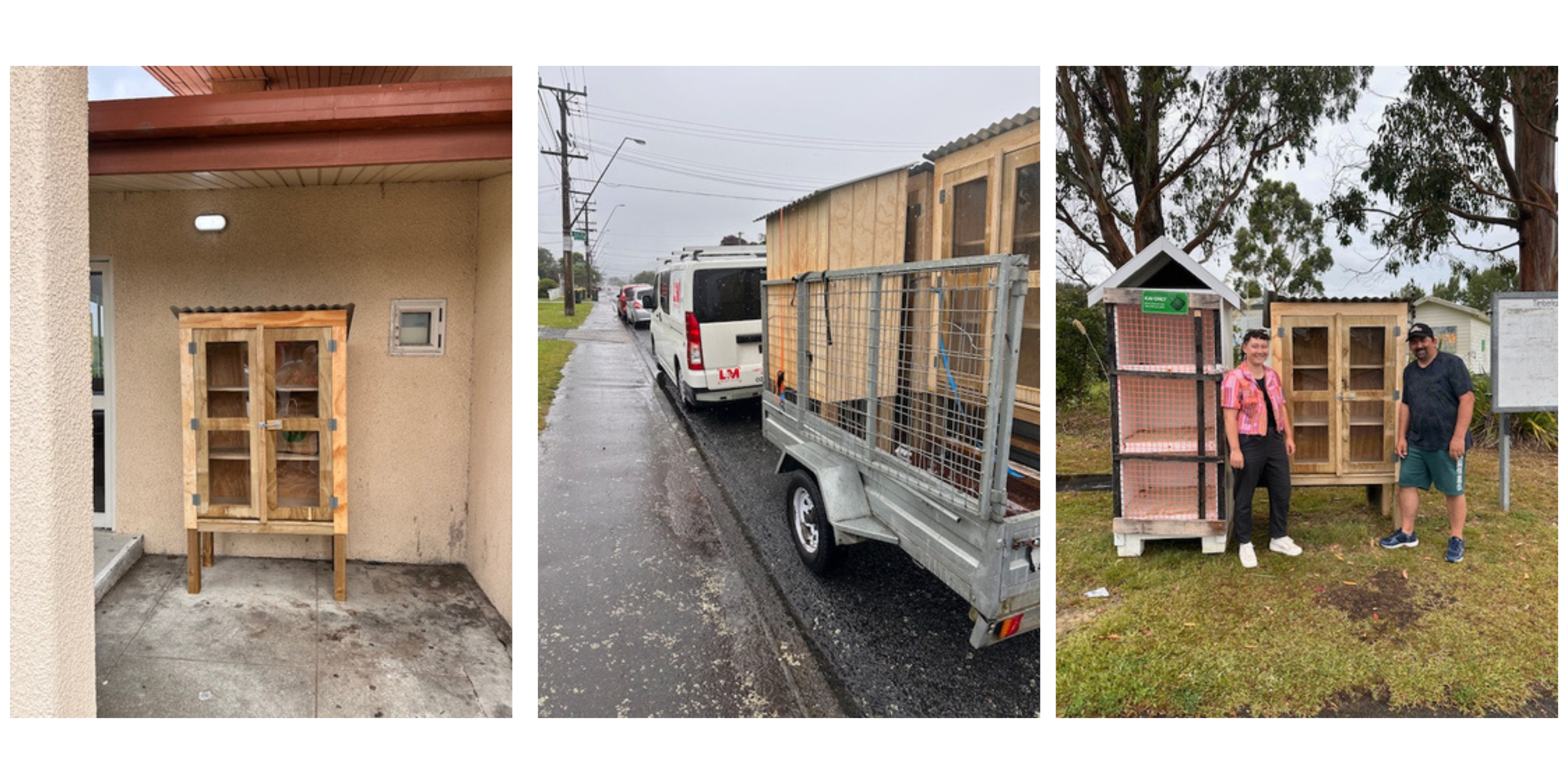
In November 2025, eight Pātaka Kai were installed across Te Awa Kairangi in partnership with local groups responding to increasing food pressures in their communities. The intent was practical — to provide visible, local, stigma-free access to shared kai. What followed was evidence of systems change in action.
The real impact was not the structures themselves, but the activation they sparked across the system.
Almost immediately, community momentum began to build. Whānau shared feedback about accessibility and dignity. Local community gardens identified new pathways to redistribute surplus. Schools and neighbourhood leaders began asking what it would take to establish similar sites in their own areas. The initial installations became signals — demonstrating what was possible when communities were given the tools and trust to act.
Rather than viewing the first eight as a completed project, Healthy Families Hutt Valley paid attention to what shifts were happening in the system. Over the summer period, feedback consistently highlighted two themes: the model was working, and access remained uneven. Some communities now had a visible, locally stewarded resource. Others did not.
After Christmas, the energy didn’t slow — it spread. Communities without a site began asking how they could create one of their own. Local leaders stepped forward to act as kaitiaki, identifying locations and mobilising support. What followed was not a rollout plan, but a response to community readiness and initiative.
What is emerging reflects systems change in motion.
Mindsets are shifting. Food access is no longer framed solely as something delivered by services, but as a shared community responsibility. The presence of locally cared-for pātaka is normalising food sharing and reducing stigma.
Relationships are strengthening. Garden groups, schools, churches and neighbourhood champions are connecting in new ways, coordinating supply and stewardship organically rather than through central direction.
Resource flows are beginning to change. Surplus produce is being redirected hyper-locally rather than wasted. Kai grown in neighbourhood gardens is increasingly staying within those neighbourhoods.
Power and leadership are becoming distributed. Communities are identifying their own locations, nominating kaitiaki and embedding the initiative into existing community infrastructure. Healthy Families does not operate the network — communities do.
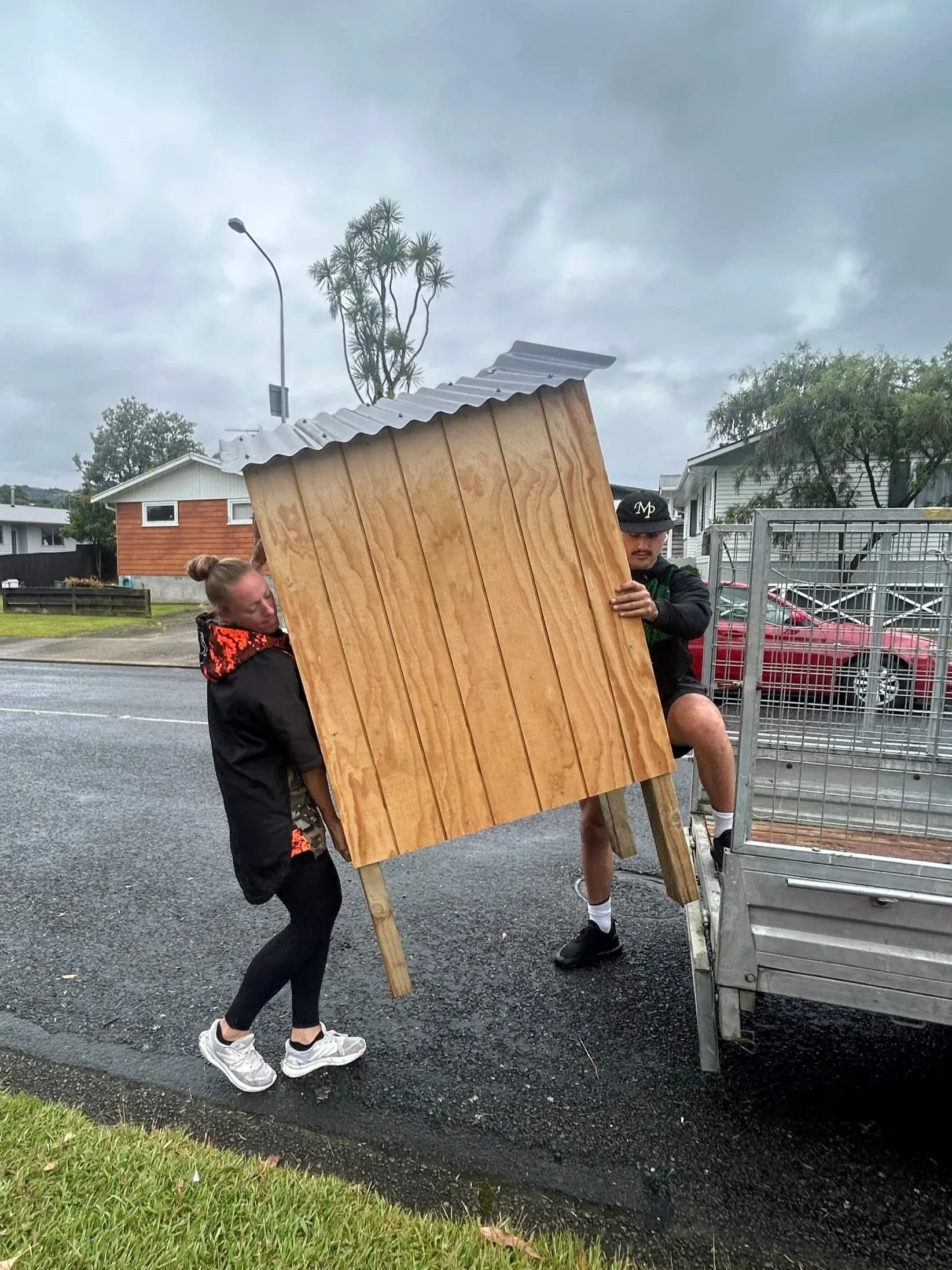
“It feels good knowing we can play a small part in empowering community”
L& M Builder
The movement from the initial eight sites to an evolving second phase demonstrates more than growth. It shows what happens when communities are trusted, resourced and supported to lead. When locals are given practical tools, such as a pātaka, we see what they are capable of building around it: connection, coordination, shared responsibility and sustained stewardship.
Importantly, this evolution has not been centrally designed. It has been responsive. Healthy Families’ role has been to listen, remove barriers, connect partners and enable the conditions for local leadership to flourish. The system is adapting around community energy rather than directing it.
The structures themselves remain modest. The shifts around them are not.
This is prevention in practice. It is the visible redistribution of resources. It is the strengthening of local relationships. It is the transfer of ownership and agency back into communities.
And it is a reminder that systems change does not begin with infrastructure — it begins when communities are given the tools and the trust to lead.